Northern Beaches Rising Damp
Paint lifting off the bottom of the walls, or a downstairs room that never dries out? Book an inspection and get a written quote from a Northern Beaches damp team.
Low lagoon ground, steep sandstone blocks and salt off the ocean all make walls damp in different ways. We measure which one is wetting yours, fix that cause, and rebuild the wall finish.
Damp proofing services on the Northern Beaches
From injected courses in brick to drainage on hillside blocks, each wall gets the fix that suits it.
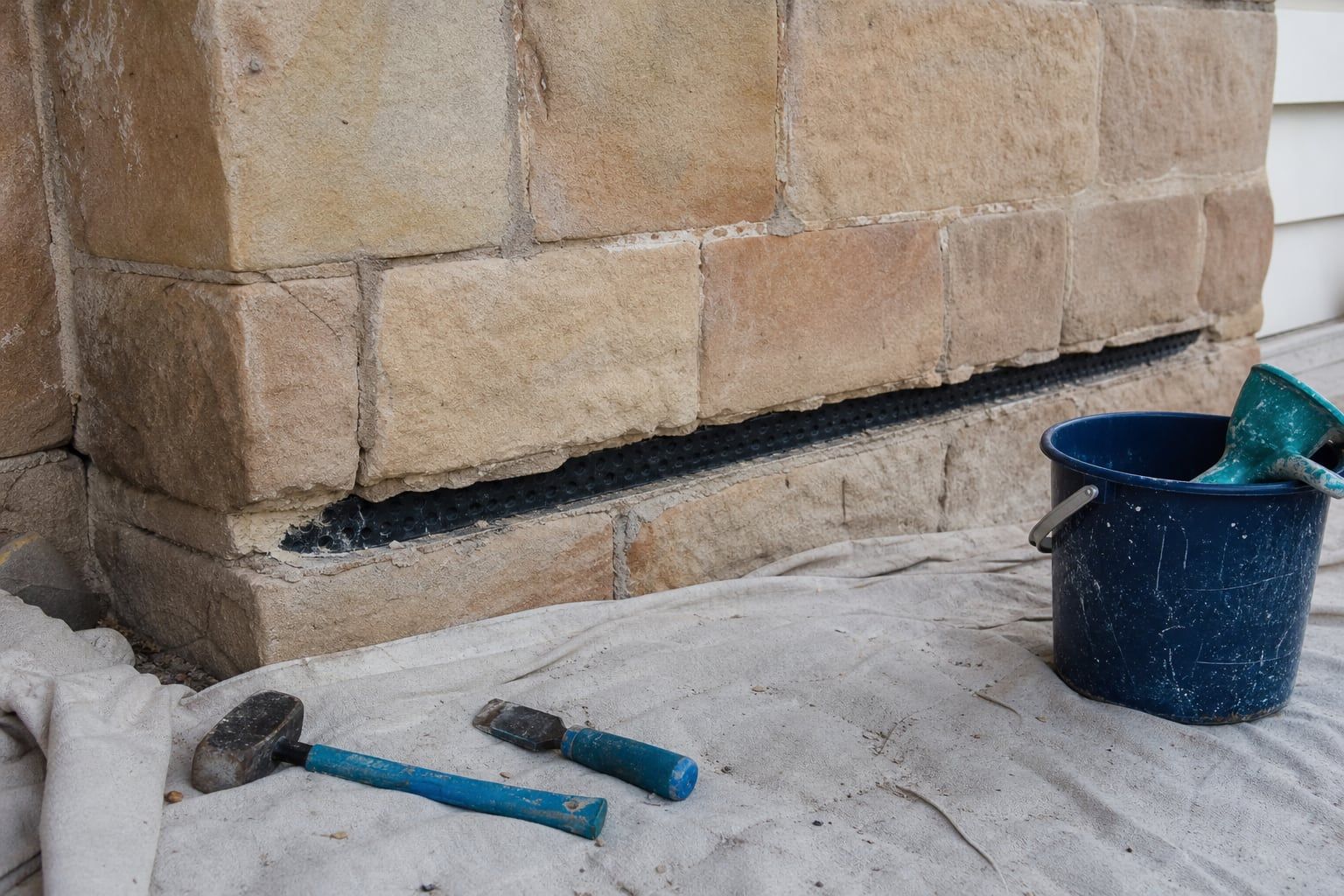
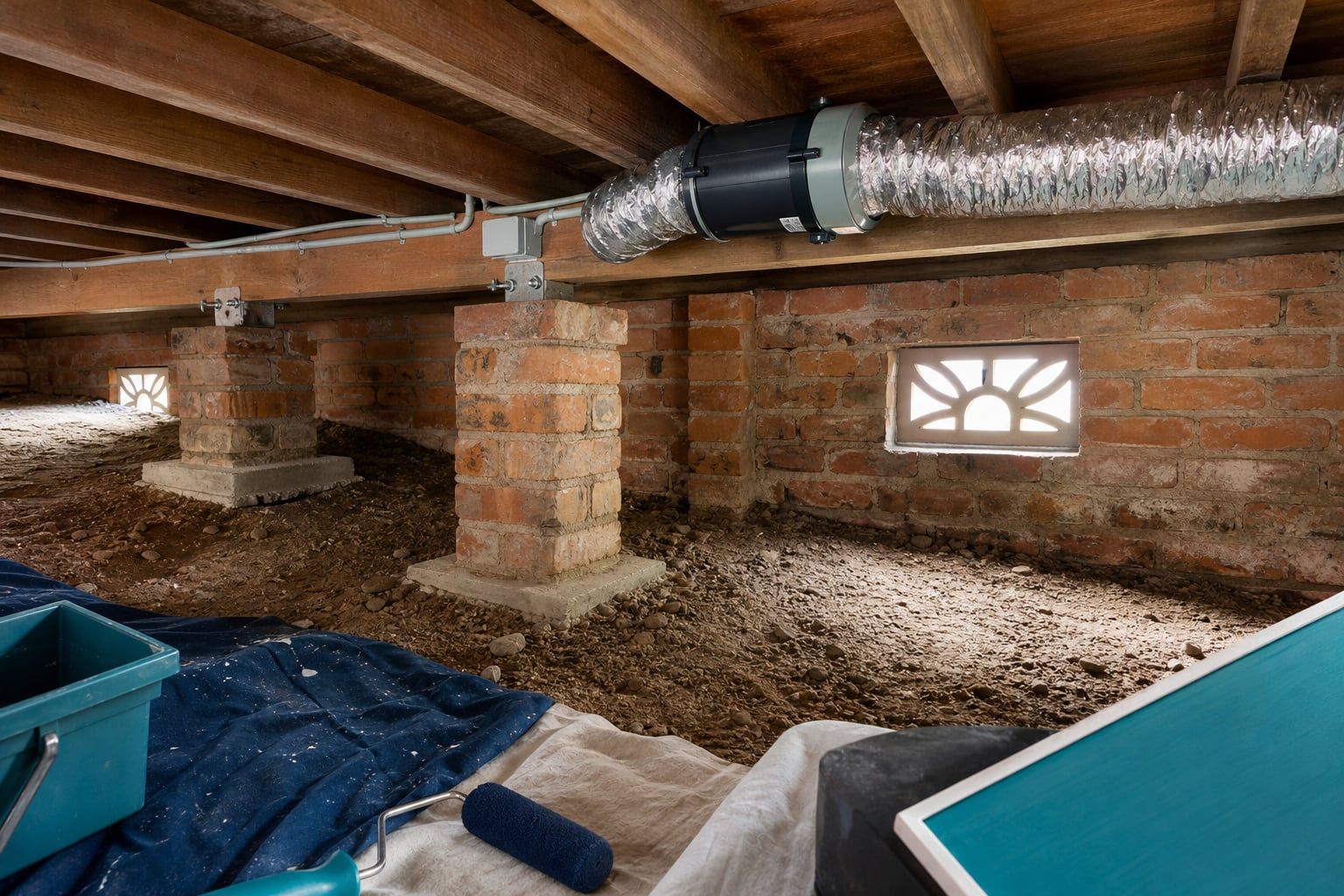
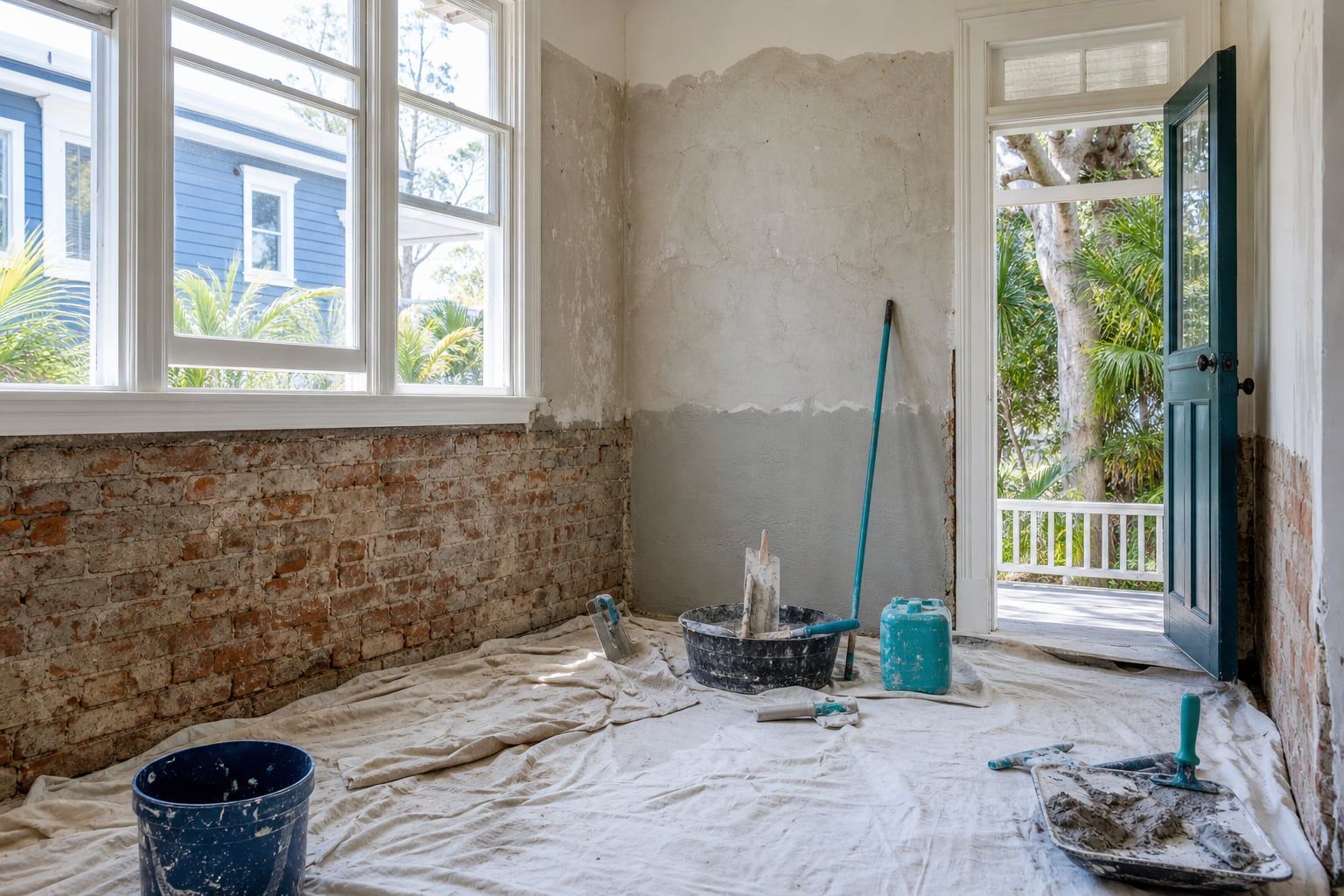
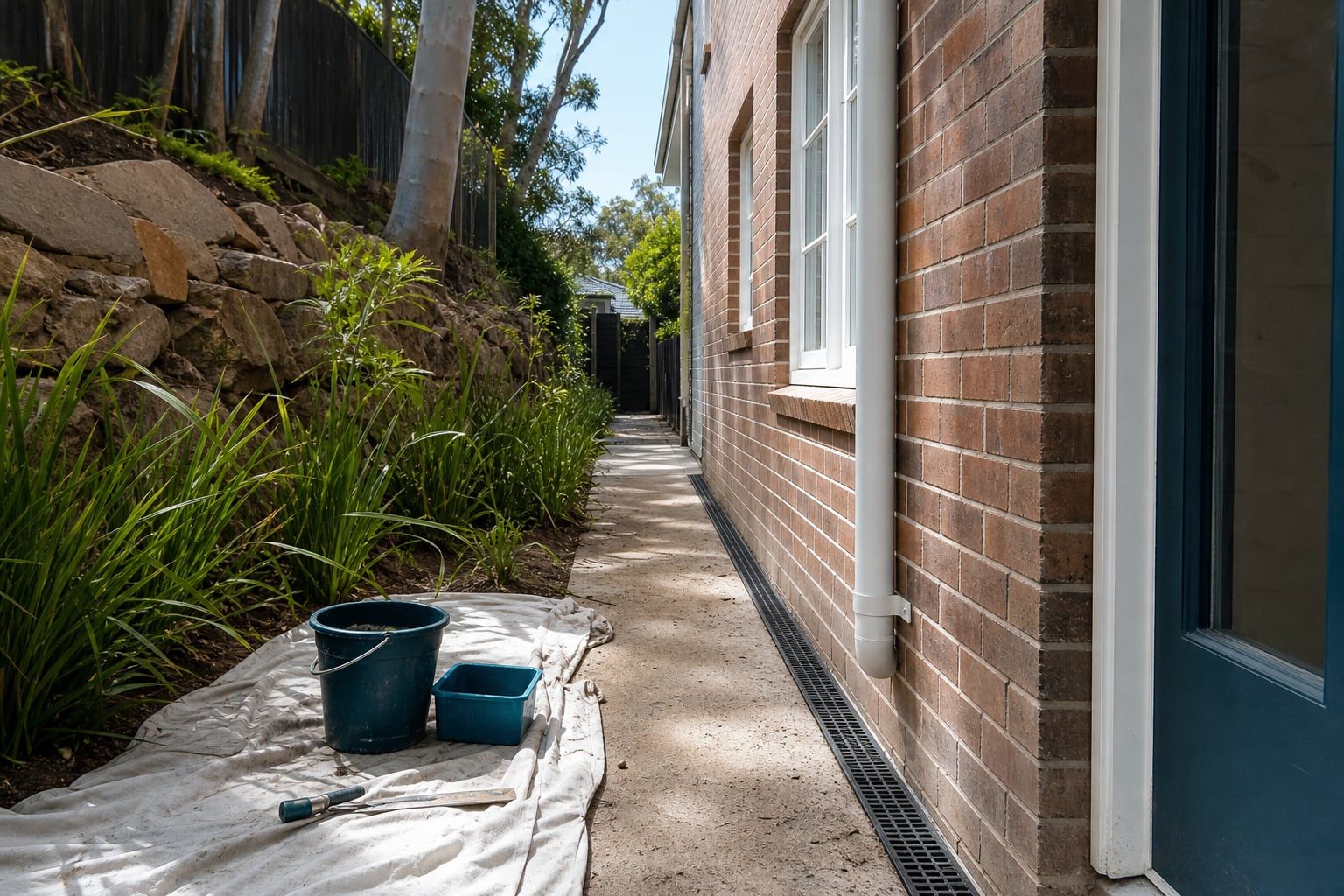
Northern Beaches rising damp, measured before it’s treated
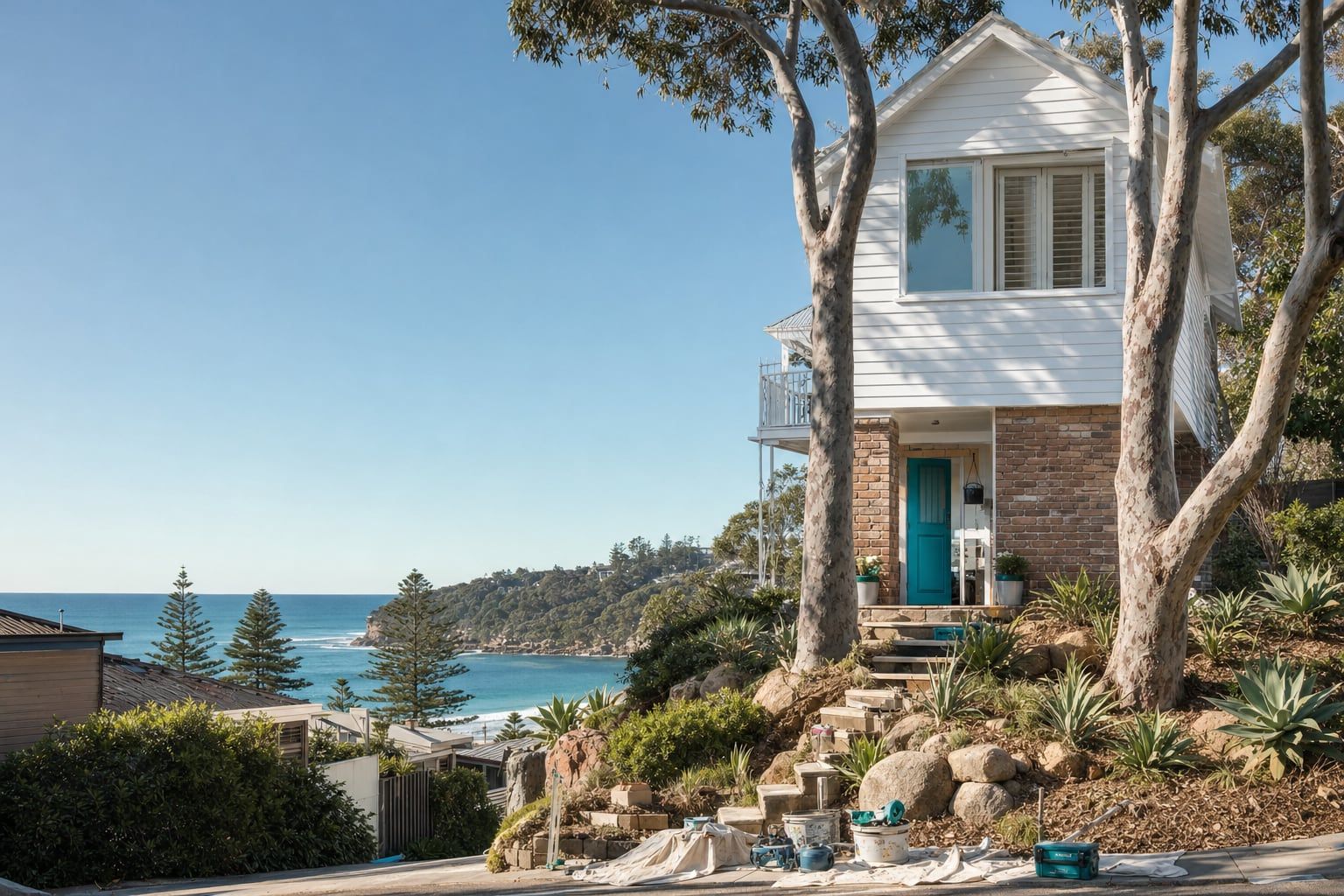
Rising damp on the Northern Beaches doesn’t always look like rising damp anywhere else. The peninsula packs a lot into a narrow strip: sandstone ridges and steep cut blocks behind the beaches, sandy flats along the coast, and low, wet ground around the lagoons and the Narrabeen Lakes. Every one of those wets a house differently. A damp wall in a Federation house in Manly, a beach cottage in Collaroy and a split-level home on the plateau at Elanora Heights can have three completely different causes.
So we measure first. Every job starts with readings at several heights on each damp wall, a salt test on the plaster or render, a walk around the outside to see how the block falls and where the water goes, and a look under the floor where there’s a subfloor. Then we tell you what’s actually wetting the walls and what it will take to fix it.
What we fix for Northern Beaches homes
- Rising damp treatment is the full job, from readings to a finished wall.
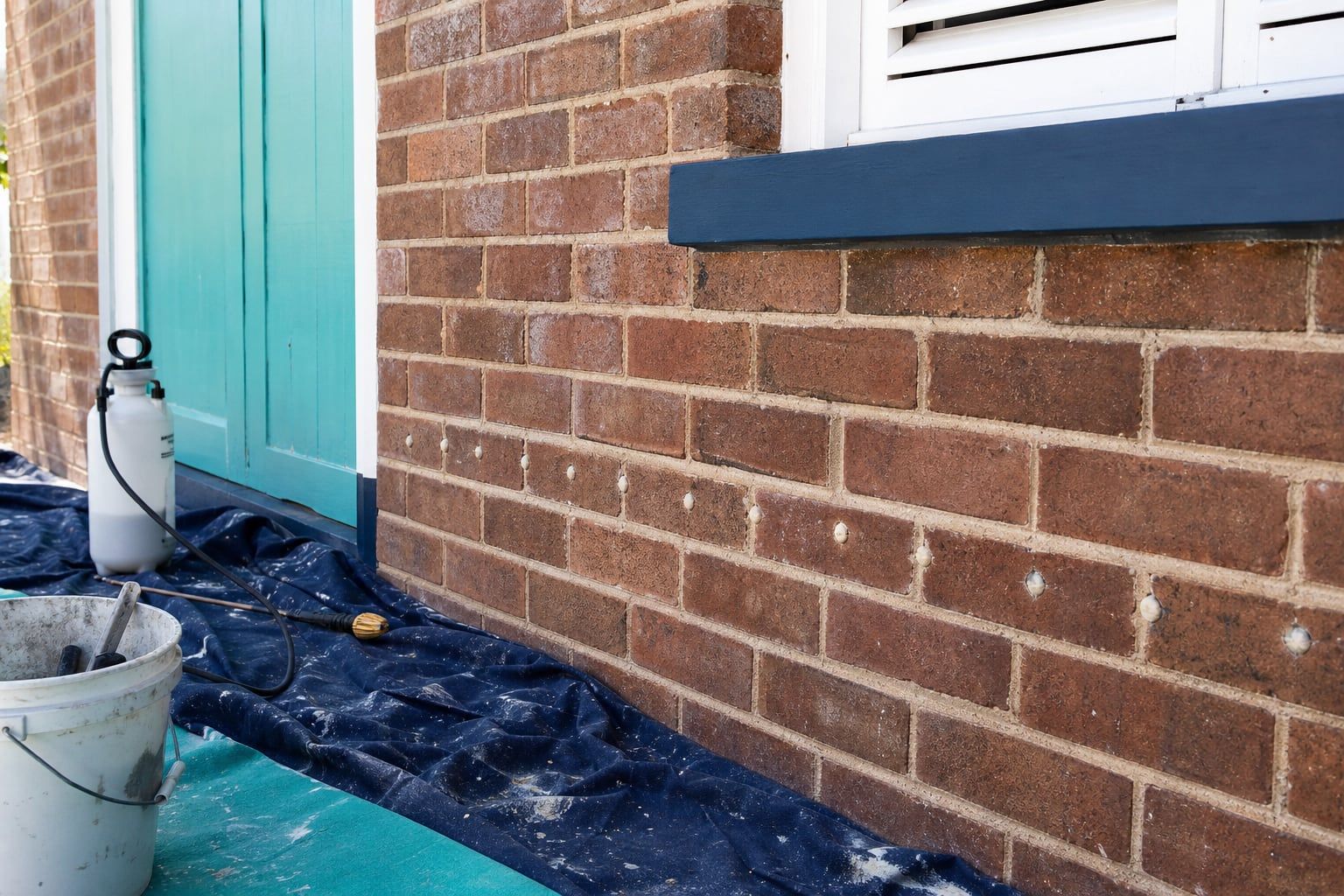
- A chemical damp course goes into brick walls along one mortar joint, without taking the wall apart.
- A physical damp course suits sandstone footings, rubble walls and soft early brick.
- Waterproof tanking and drainage deal with walls cut into the hillside or with soil and paving against them.
- Subfloor ventilation dries out crawl spaces under timber floors and beach cottages.
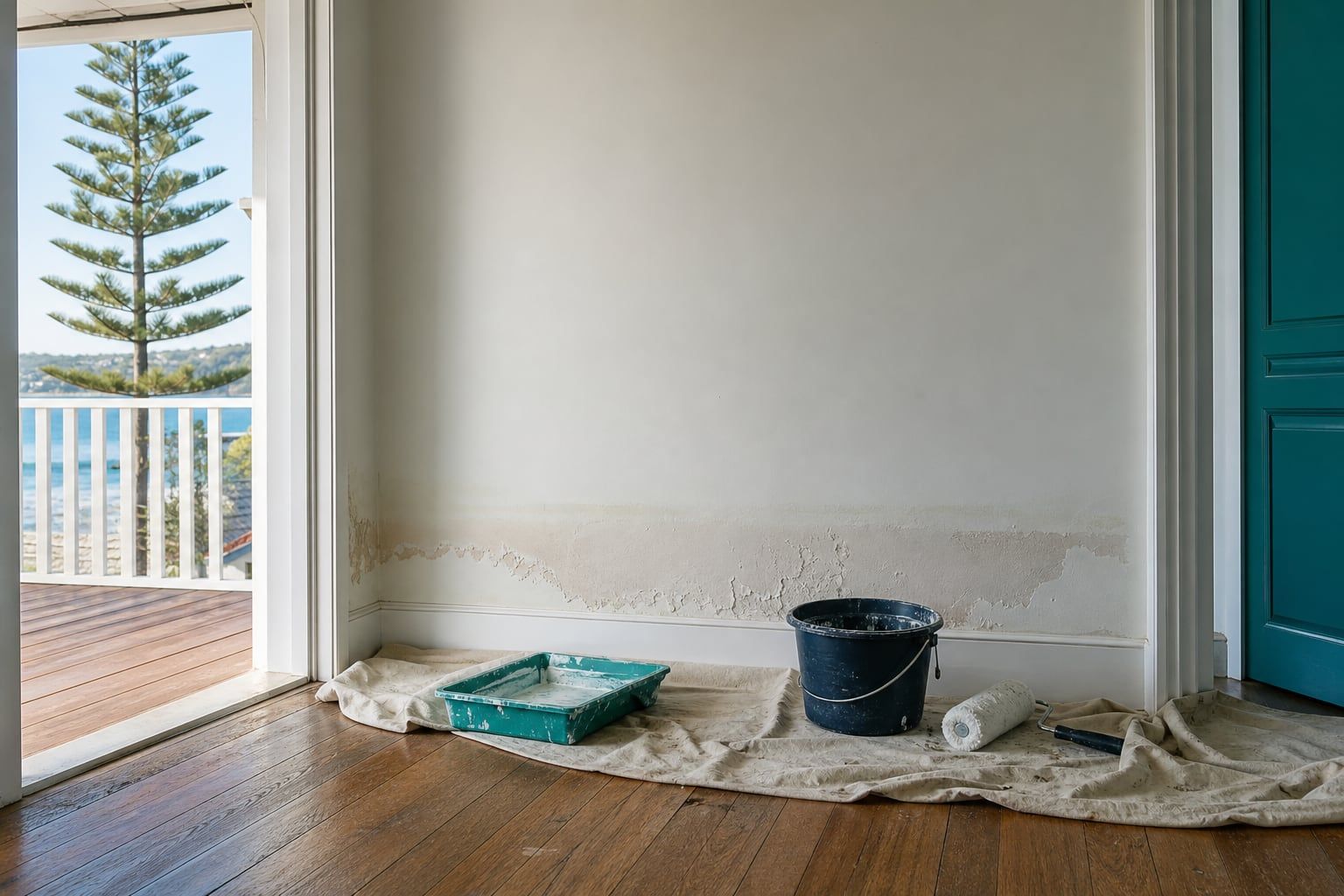
- Salt-damaged plaster repair replaces the finish once the water has been stopped.
Most houses need more than one of these, and the written quote explains which walls get what.
Three reasons Northern Beaches walls get damp
The ground. Houses on the low land around Manly Lagoon, Dee Why Lagoon and the Narrabeen Lakes sit over a high water table, and the soil stays wet for long periods. Older brick homes there are the most likely to have true rising damp through failed or missing damp courses.
The slope. Much of the peninsula is built on hillsides, and many houses have a lower level or back wall dug into the hill. After rain, water moving down through the soil presses against those walls and comes straight through. A damp course won’t stop that; drainage and tanking will. Our guide to damp in hillside homes explains why.
The sea. Salt carried in on the wind settles into exposed brick and render on houses near the beaches. That salt draws moisture from humid air, so walls can look and read damp without any rising damp at all. Our guide on salt air and damp walls covers how to tell the difference.
How a job runs
After the inspection you get a written quote that lists each wall, the method and the price, including the finish. On the day, furniture is moved and covered and floors are protected. The barrier, drainage or ventilation goes in first. Salt-loaded render comes off, the wall is left to dry for a period that suits its thickness, and a salt-tolerant render goes back on, ready for paint.
Smaller jobs take a day or two on site. Larger houses, or jobs that combine drainage with a damp course, take longer, and the quote sets out the timing.
Older houses, beach cottages and hillside homes
Plenty of the houses we work on have history. Early beach cottages that were extended over decades. Inter-war brick bungalows whose vents disappeared under garden beds. Split-level homes from the 1960s and 70s with rooms cut into sandstone. We work with the house as it is, using methods that suit the wall, including breathable and lime-compatible finishes on older masonry.
Not sure what you’re seeing?
Start with our page on signs of rising damp, which shows each symptom and what it usually means. If you own an older cottage on piers, read damp under beach cottages. Or send us the form with your address and a photo of the wall, and we’ll book a time to come and measure.
Northern Beaches suburbs we cover
Pick your suburb for local detail, or just call. We cover the whole Northern Beaches.
- Manly damp specialists
- Fairlight damp specialists
- Balgowlah damp specialists
- Seaforth damp specialists
- Clontarf damp specialists
- Freshwater damp specialists
- Curl Curl damp specialists
- Dee Why damp specialists
- Collaroy damp specialists
- Narrabeen damp specialists
- Brookvale damp specialists
- Allambie Heights damp specialists
How a Northern Beaches damp job runs
- ReadingsEach damp wall is measured low and high, and the render is tested for salt.
- Find the sourceWe check the slope, drainage, paving and subfloor, because on the Beaches the cause is often outside.
- Fix the causeA damp course, a drain, tanking or new airflow goes in, whichever the readings called for.
- Finish the wallSalt-loaded render is stripped and replaced with a salt-tolerant system once the wall has dried.
Rising damp guides for Northern Beaches homeowners
- Damp in hillside homes: why sloping Northern Beaches blocks get wet wallsHow water moves through the slopes behind Northern Beaches houses, how to tell it from rising damp, and what actually keeps the lower walls dry.
- Salt air and damp walls: what the coast does to Northern Beaches masonryWhy walls close to the ocean can look and test damp without any rising damp, how to tell the two apart, and how to look after coastal masonry.
- Damp under beach cottages: subfloor moisture in coastal Northern Beaches homesWhy the crawl space under older beach cottages stays damp, what it does to floors and walls, and how to dry it out.
Rising damp questions from the Northern Beaches
Something else on your mind? Call and ask.
Which suburbs do you cover?
The whole peninsula: Manly, Fairlight, Balgowlah, Seaforth and Clontarf; Freshwater, Curl Curl, Brookvale and Dee Why; Collaroy, Narrabeen and Elanora Heights; Mona Vale, Newport, Bilgola, Avalon and Palm Beach; and inland through Frenchs Forest, Belrose and Allambie Heights.
Do you work on houses built into the hill?
Yes, they're a big part of what we do here. Lower levels and back walls cut into the slope usually need drainage and tanking as well as, or instead of, a damp course.
Can you come out quickly?
Most inspections are booked within a few days. Send the form with your address and a photo of the damp wall if you have one.
My house is on a slope. Is it still rising damp?
Sometimes, but on the escarpment blocks around Collaroy Plateau, Elanora Heights and Seaforth, water running sideways through the hill is just as common. The readings show the difference: rising damp is wettest at the base all the way along, while seepage is wettest on the uphill side and changes with rain.
Do you need to get under the house?
If there is a subfloor, yes. Wet soil, blocked vents or a dripping pipe under a timber floor can keep the base of the walls damp, and fixing the wall without fixing that just moves the problem.
How long before I can paint?
The new barrier works straight away, but masonry above it dries slowly. A thin internal wall can be ready in weeks; a thick double brick or stone wall can take months. The render we use is chosen so you don't have to wait the full drying time to finish the room.
- 18Northern Beaches suburbs
- 6Damp fixes under one roof
- 1Written quote, no extras
Why Northern Beaches damp needs a closer look
Ground, hill or sea air
On the peninsula a damp wall can come from the water table, water moving through the slope or salt from the ocean. Readings at several heights and depths tell us which before we recommend a fix.
The right fix for the wall
Brick takes an injected course, stone and soft brick a membrane, hillside walls drainage and tanking. You get the method that suits each wall, with the reason written down.
A finished wall in the price
Stripping salty render and putting back a salt-tolerant finish is in every quote, so the price covers a wall you can paint.