Rising Damp Treatment Northern Beaches
Readings first, then the right barrier, drainage or airflow for a house that sits between the bush and the beach.
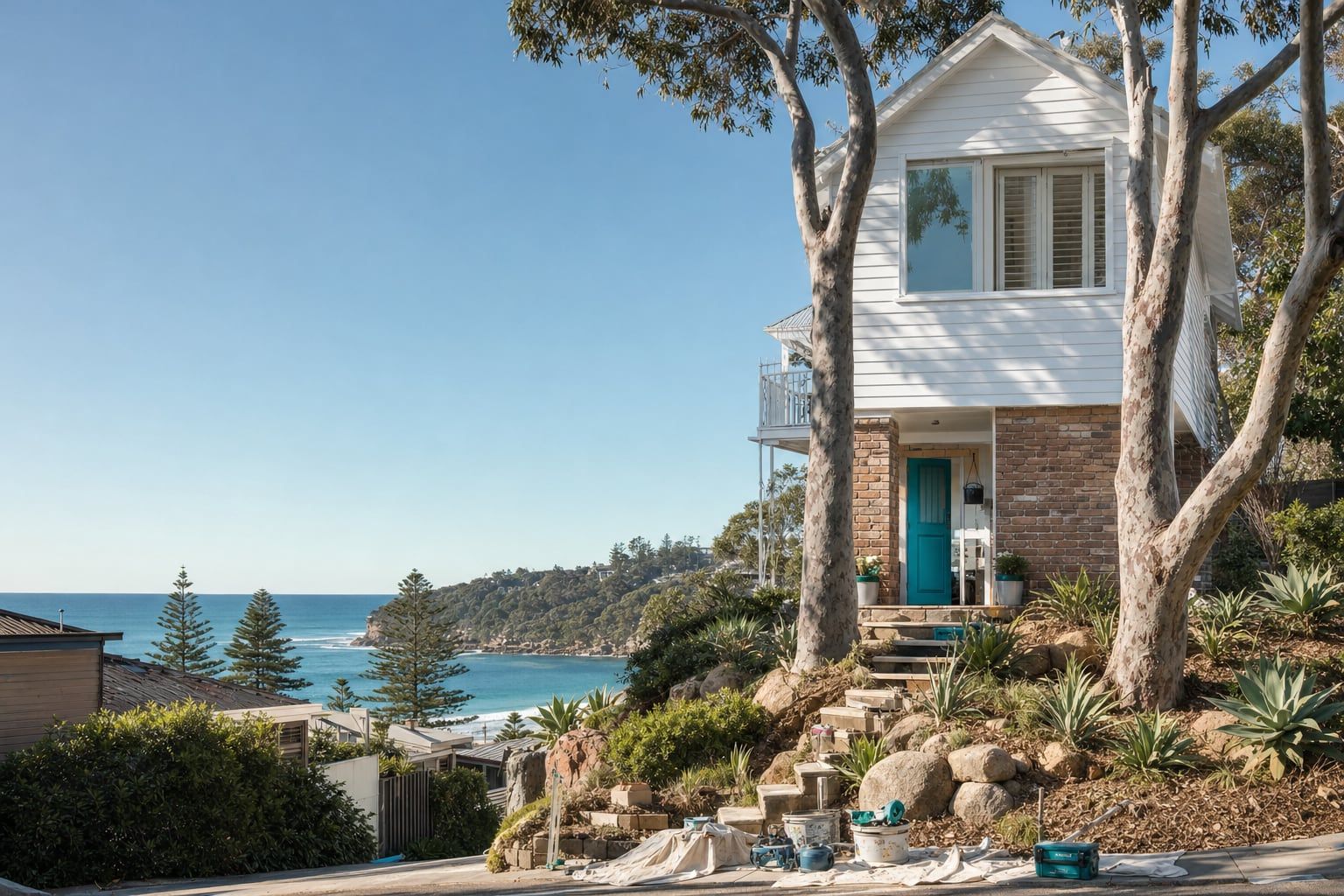
Rising damp treatment on the Northern Beaches has to start with a question many contractors skip: is the water really rising from the ground, or is it coming from somewhere else? The peninsula is a mix of sandstone ridges, steep cut blocks, sandy beach flats and low lagoon land, and each of those wets a house in a different way. So before we quote a damp course, we put a meter on the wall.
What a Northern Beaches damp job involves
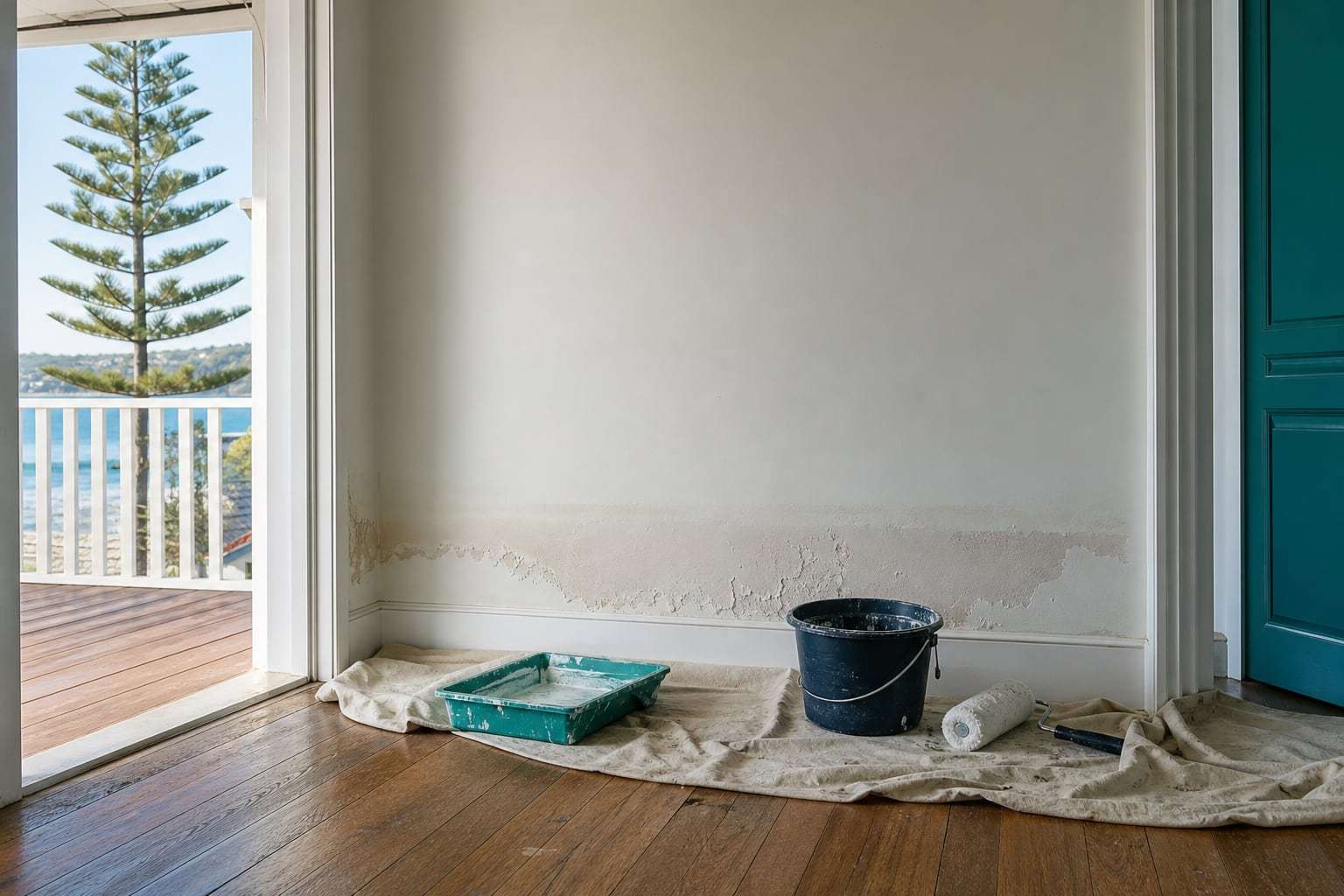
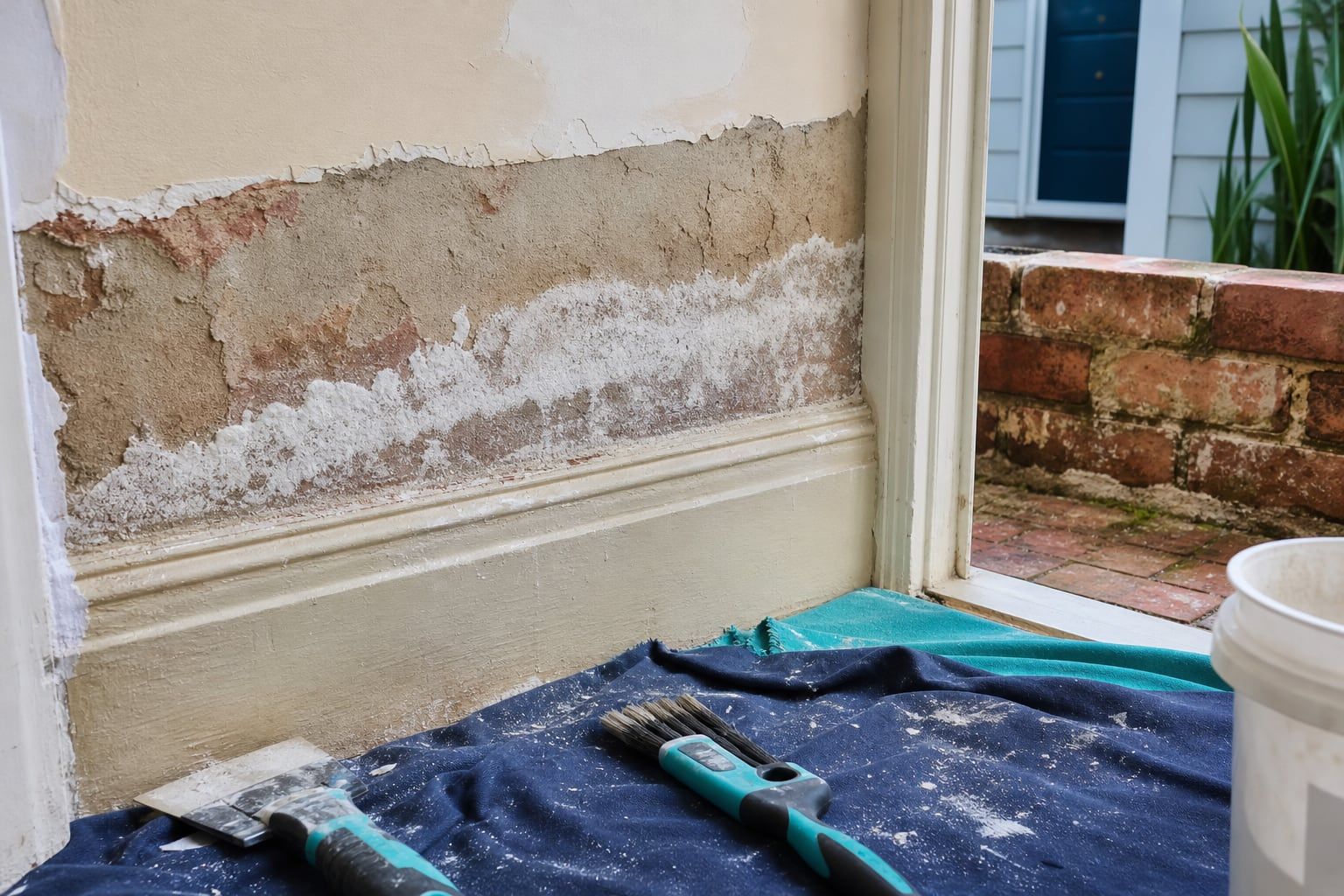
Every job follows the same order. We take readings low on each affected wall, then higher up, and we test the plaster or render for salts. Rising damp leaves a clear signature: the wall is wettest right at the base, the moisture fades out below about a metre, and salt collects at the top of that band where the water evaporates. If the pattern doesn’t fit, we keep looking until something does.
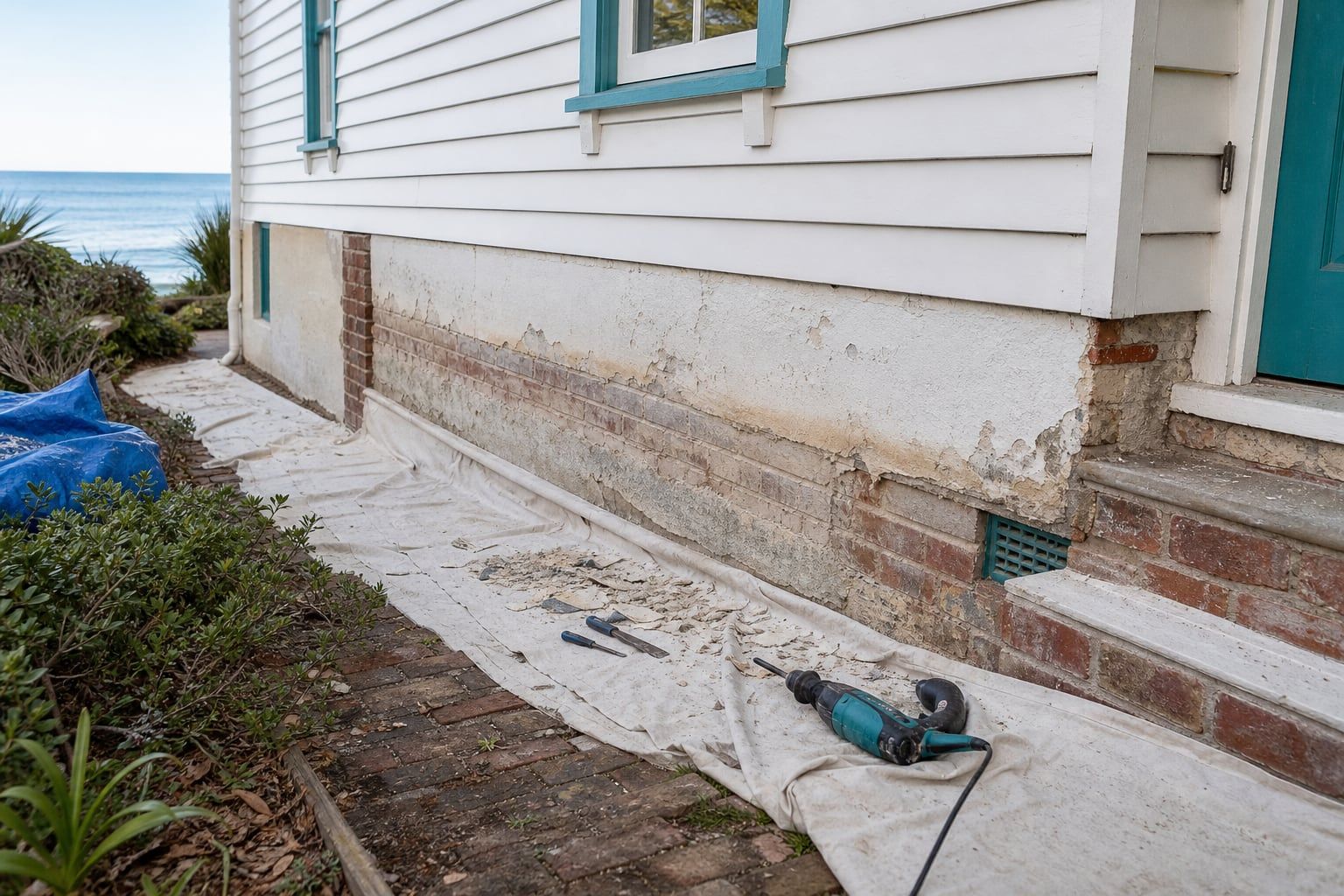
Then we go outside. On a Northern Beaches house that usually means checking how the block falls, where the stormwater goes, whether a garden bed or concrete path has been built up past the old damp course, and whether the downpipes actually reach a drain. Then we go under the floor if there is one, because a damp subfloor feeds the walls from below.
Only then do we write the quote, and it lists each wall, what we’ll do to it and why.
The fixes we use
Most houses end up with a combination:
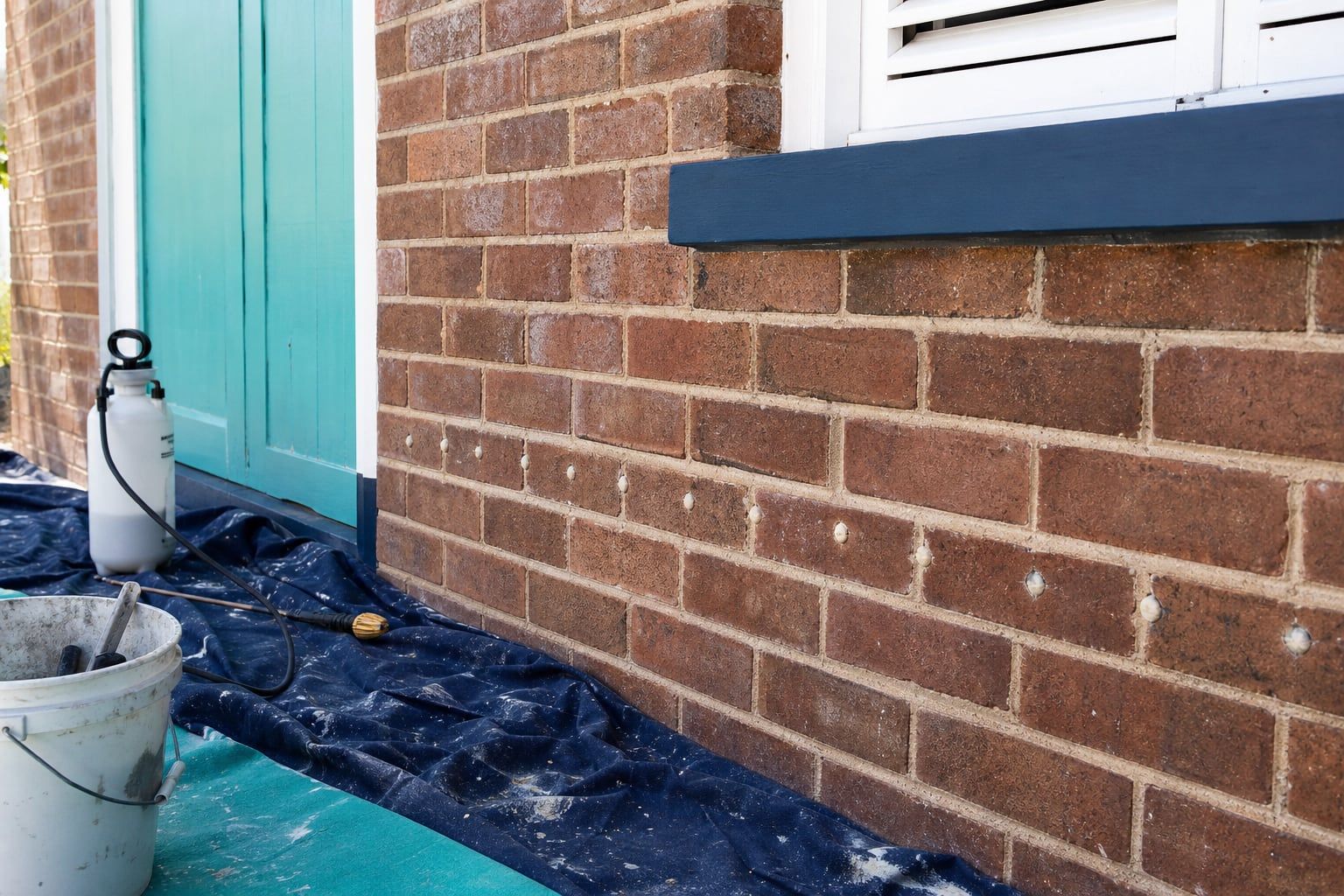
- A chemical damp course for brick walls, injected along a mortar bed close to the floor line.
- A physical damp course for sandstone footings, rubble walls and brick too soft or too broken to hold an injected barrier.
- Subfloor ventilation for the beach cottages and inter-war bungalows on piers, where still, damp air under the floor keeps everything wet.
- Waterproof tanking for rooms cut into the hill, where soil sits against the wall above any damp course.
- Salt-damaged plaster repair to replace the finish that the salt has already ruined.
Why the Northern Beaches is different
Three things set this area apart. The first is slope. A lot of houses from Dee Why up to Bilgola are built into the hillside, with a back wall or a lower level dug into clay over sandstone. After rain, water moves down through that ground and presses against the uphill walls. A damp course alone won’t stop that; drainage or tanking will.
The second is the coast itself. Salt-laden air off the ocean deposits salt on and in exposed masonry, and that salt pulls moisture out of the air. A wall can read damp near the surface without any water coming up from below. We test for that before we recommend anything.
The third is the low ground. Around Manly Lagoon, Dee Why Lagoon and the Narrabeen Lakes, the water table sits close to the surface and the soil stays wet for long stretches. Houses there are the most likely to have true rising damp, and they often need ventilation and drainage alongside the new barrier.
After the barrier goes in
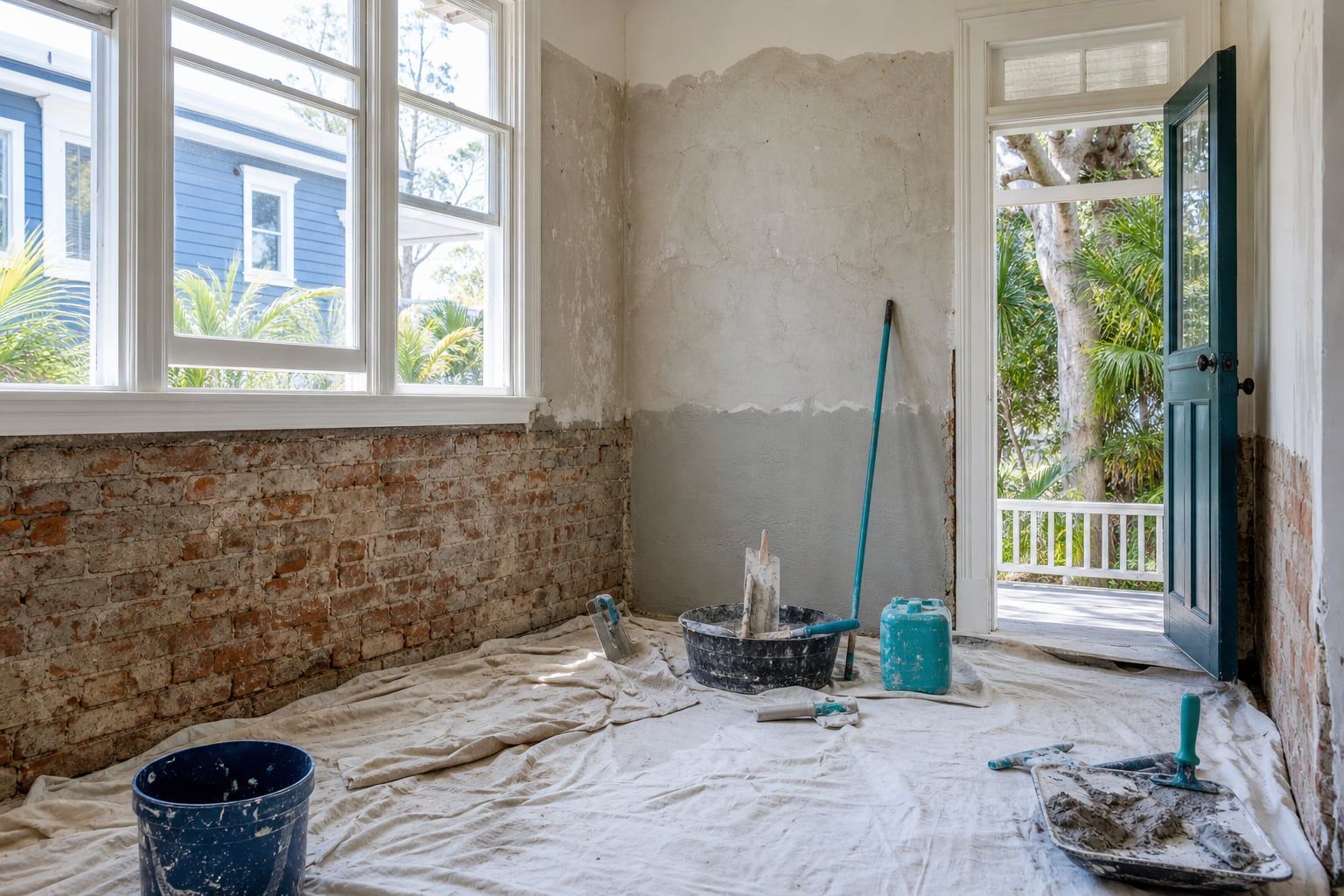
Stopping the water is half the job. The wall still holds moisture and salt from years of wetting. We strip the damaged render or plaster back to sound masonry, give it time to dry, and apply a salt-tolerant render made for damp-affected walls. Skirtings that have rotted are replaced, and we tell you when it is safe to paint.
If you’re not sure what you’re looking at, our page on signs of rising damp shows the common symptoms. For a coastal house, our guide on salt air and damp walls explains the surface damp that salt causes. Or book a check and we’ll measure the walls and tell you what’s causing the damp.
Updated
What good rising damp treatment looks like
Rising Damp Treatment across the Northern Beaches
Rising Damp Treatment in the Northern Beaches: step by step
- MeasureReadings at skirting height and higher up each damp wall, plus a salt test on the finish.
- Trace the sourceSlope, soil, paving, gutters and the subfloor are checked, because hillside water often looks like rising damp.
- Stop itA new damp course, a drain or a ventilation fix goes in, sized to what we found.
- Rebuild the finishSalt-loaded render comes off and a salt-tolerant system goes on once the wall has dried enough.
Rising Damp Treatment guides for Northern Beaches homeowners
- Damp in hillside homes: why sloping Northern Beaches blocks get wet wallsHow water moves through the slopes behind Northern Beaches houses, how to tell it from rising damp, and what actually keeps the lower walls dry.
- Salt air and damp walls: what the coast does to Northern Beaches masonryWhy walls close to the ocean can look and test damp without any rising damp, how to tell the two apart, and how to look after coastal masonry.
- Damp under beach cottages: subfloor moisture in coastal Northern Beaches homesWhy the crawl space under older beach cottages stays damp, what it does to floors and walls, and how to dry it out.
Rising Damp Treatment questions in the Northern Beaches
Something else on your mind? Call and ask.
My house is on a slope. Is it still rising damp?
Sometimes, but on the escarpment blocks around Collaroy Plateau, Elanora Heights and Seaforth, water running sideways through the hill is just as common. The readings show the difference: rising damp is wettest at the base all the way along, while seepage is wettest on the uphill side and changes with rain.
Do you need to get under the house?
If there is a subfloor, yes. Wet soil, blocked vents or a dripping pipe under a timber floor can keep the base of the walls damp, and fixing the wall without fixing that just moves the problem.
How long before I can paint?
The new barrier works straight away, but masonry above it dries slowly. A thin internal wall can be ready in weeks; a thick double brick or stone wall can take months. The render we use is chosen so you don't have to wait the full drying time to finish the room.