Rising damp symptoms: what to look for in a Northern Beaches home
The signs of damp, what each one usually means, and when the cause is the ground, the hill or the sea air.
Spotting rising damp in Northern Beaches homes
Rising damp symptoms are easy to see once you know where to look, but on the Northern Beaches they’re easy to confuse with two other problems that are common here: water seeping through the hillside, and salt carried in from the ocean. All three produce damp walls, peeling paint and salt. What separates them is where the damage sits and how it changes with the weather.
Below are the symptoms we see most often across the peninsula, what each one usually means, and what to check next.
A tide mark low on the wall
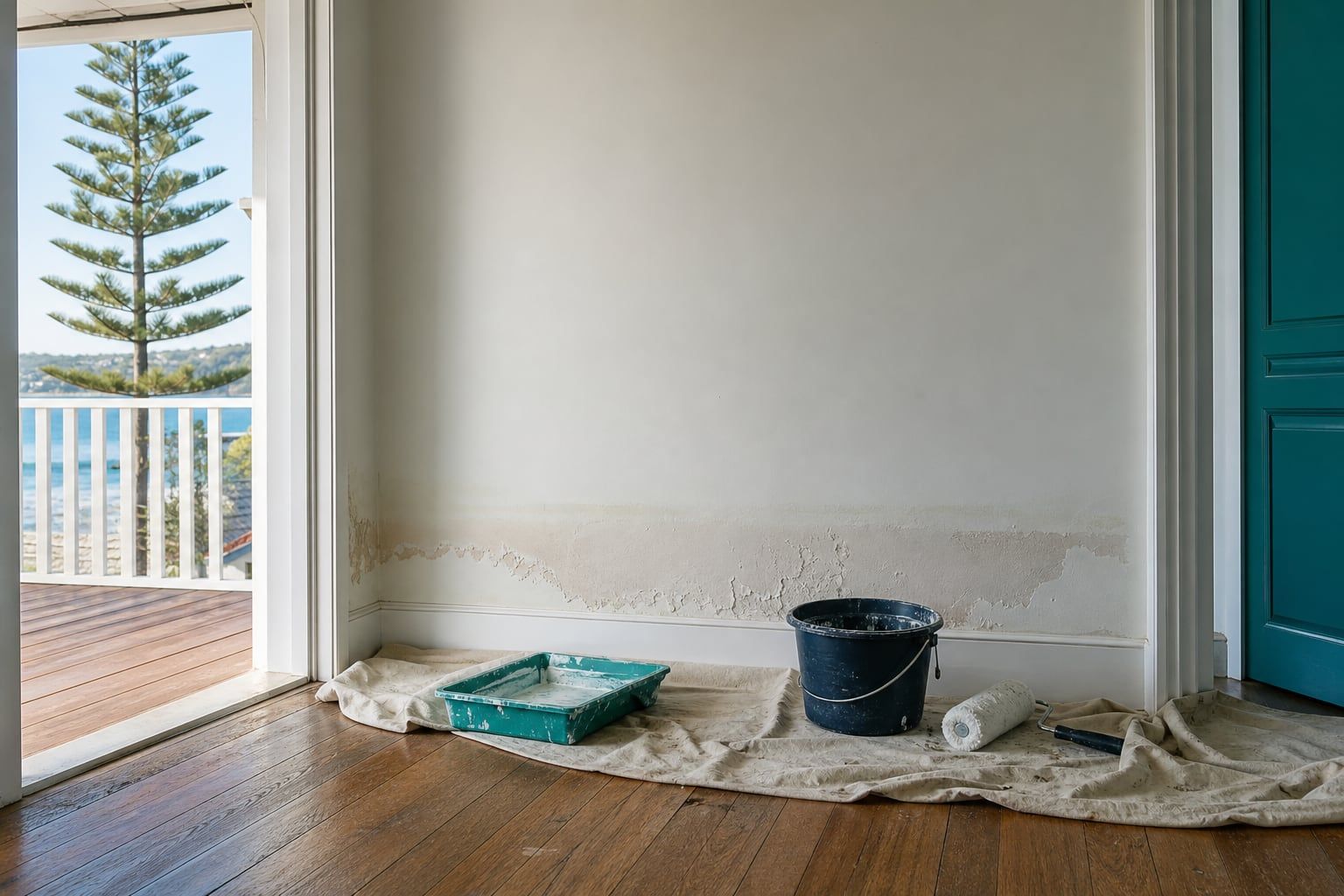
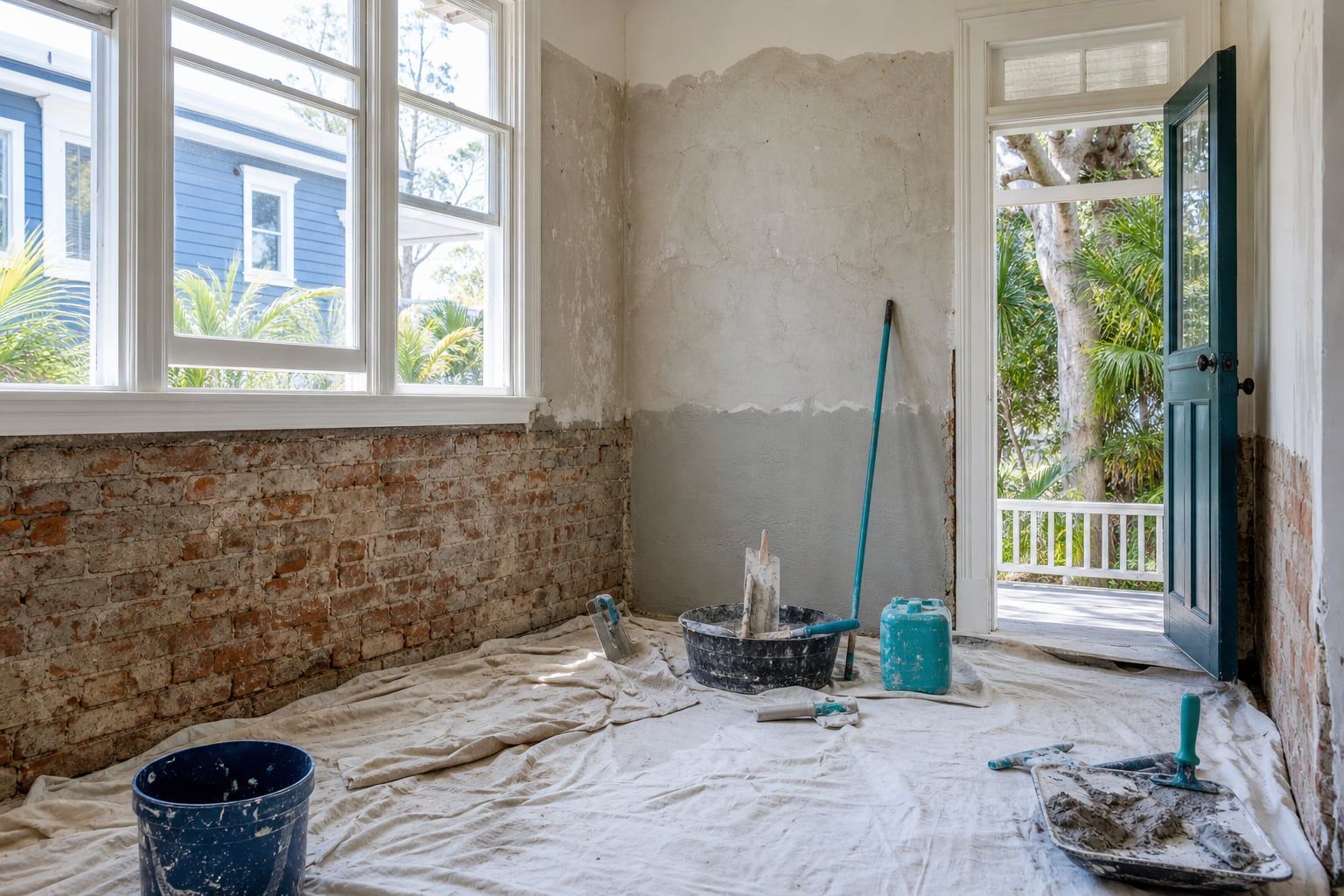
A brownish or yellowish line running along the wall, usually between 30 centimetres and a metre above the floor, is one of the classic signs. It marks the highest point the water reaches before it evaporates, leaving salts and staining behind. If the mark is fairly level and runs along several walls, rising damp is likely. If it climbs higher on one side of the house, especially the uphill side, think about seepage through the slope.
Blistering and peeling paint
Paint lifting in bubbles or peeling in strips near the bottom of a wall is caused by moisture and salt pushing out from behind the coating. Acrylic paints show it quickly because they don’t let the wall breathe. On the coast, the same blistering appears high on ocean-facing walls, where it’s usually salt air rather than rising damp. Our guide on salt air and damp walls explains the difference.
White salt crystals
Fluffy white crystals on the wall surface, or a powdery white bloom on brick and render, are salts left behind as water evaporates. Low on the wall, they point to water coming up from the ground. On exposed outside walls near the beaches, they often come from sea spray instead.
Powdery or hollow render
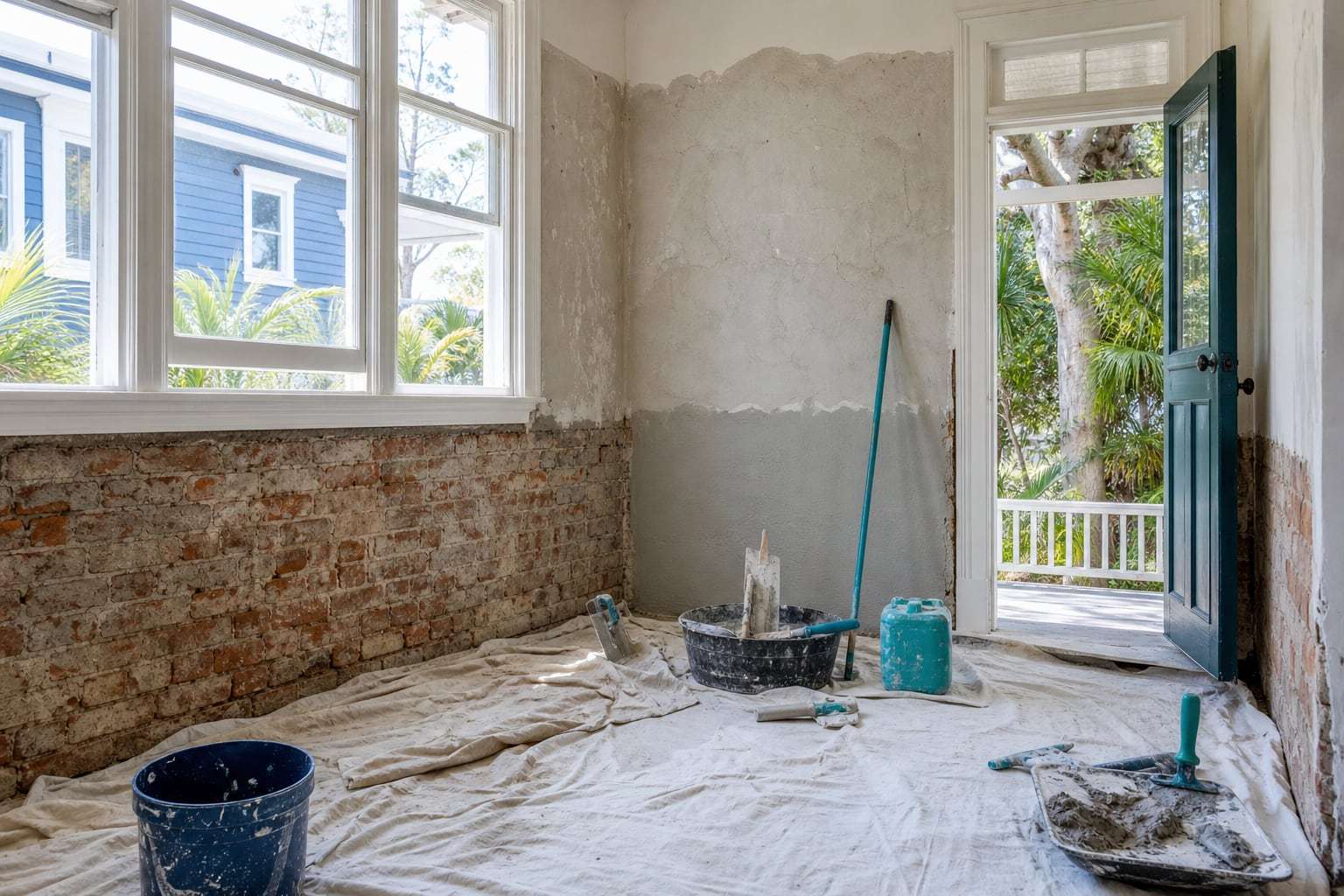
Render or plaster that crumbles when you touch it, falls away in patches or sounds hollow when tapped has been broken down by salt crystallising inside it. It won’t recover once the damp stops, which is why salt-damaged plaster repair is part of every damp job.
Mould behind furniture
Black or grey mould on the backs of wardrobes, behind beds and lounges pushed against outside walls, or in the corners of rooms near the floor is a sign of damp air and cold, damp surfaces. It can come from rising damp, a damp subfloor or simply condensation in a room without enough airflow.
A musty smell in winter
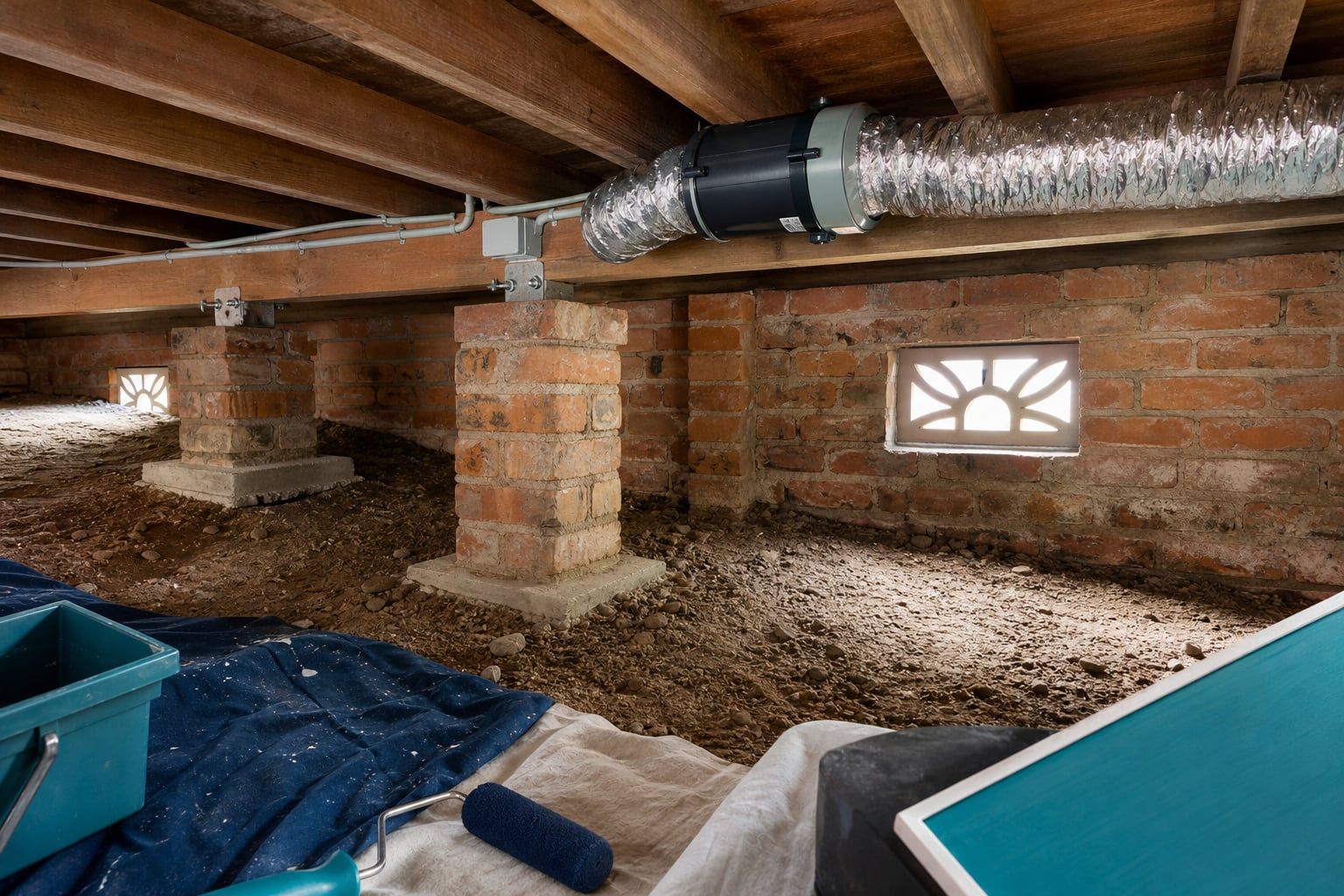
A stale, earthy smell that’s strongest in winter and in rooms closest to the ground usually comes from damp masonry or a damp subfloor. In older beach cottages and houses on piers, the subfloor is often the source. Our guide on damp under beach cottages covers why.
Soft or cupping floorboards
Floorboards that curl at the edges, feel spongy underfoot or develop gaps are often reacting to damp air underneath. Check the vents around the base of the house; on many Northern Beaches homes they’ve been blocked by garden beds, decks or wind-blown sand. Subfloor ventilation is usually the fix.
Rotting skirtings
Skirting boards fixed against damp, salty walls rot from behind. They may look fine on the face but feel soft when pressed, or come away with crumbling timber behind. Rotting skirtings along several walls are a strong pointer to rising damp.
Walls that get worse after rain
If the damp gets noticeably worse a day or two after heavy rain and eases in dry weather, the water is probably not rising from below. It’s more likely coming through the side of a wall cut into the hill, from paving or garden beds built up against the house, or from a leak above. Our guide on damp in hillside homes explains how water moves through Northern Beaches slopes.
When the symptoms point to rising damp
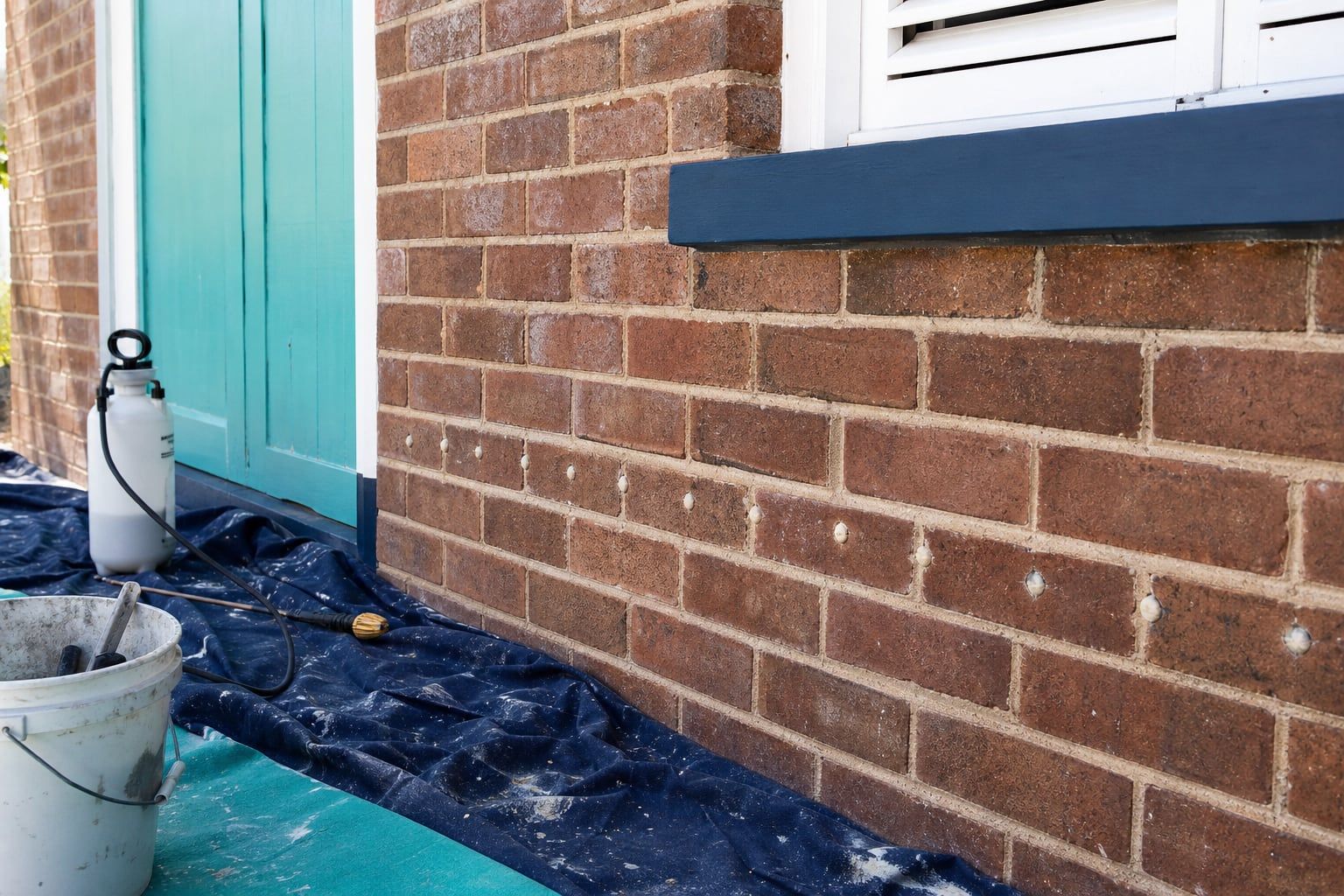
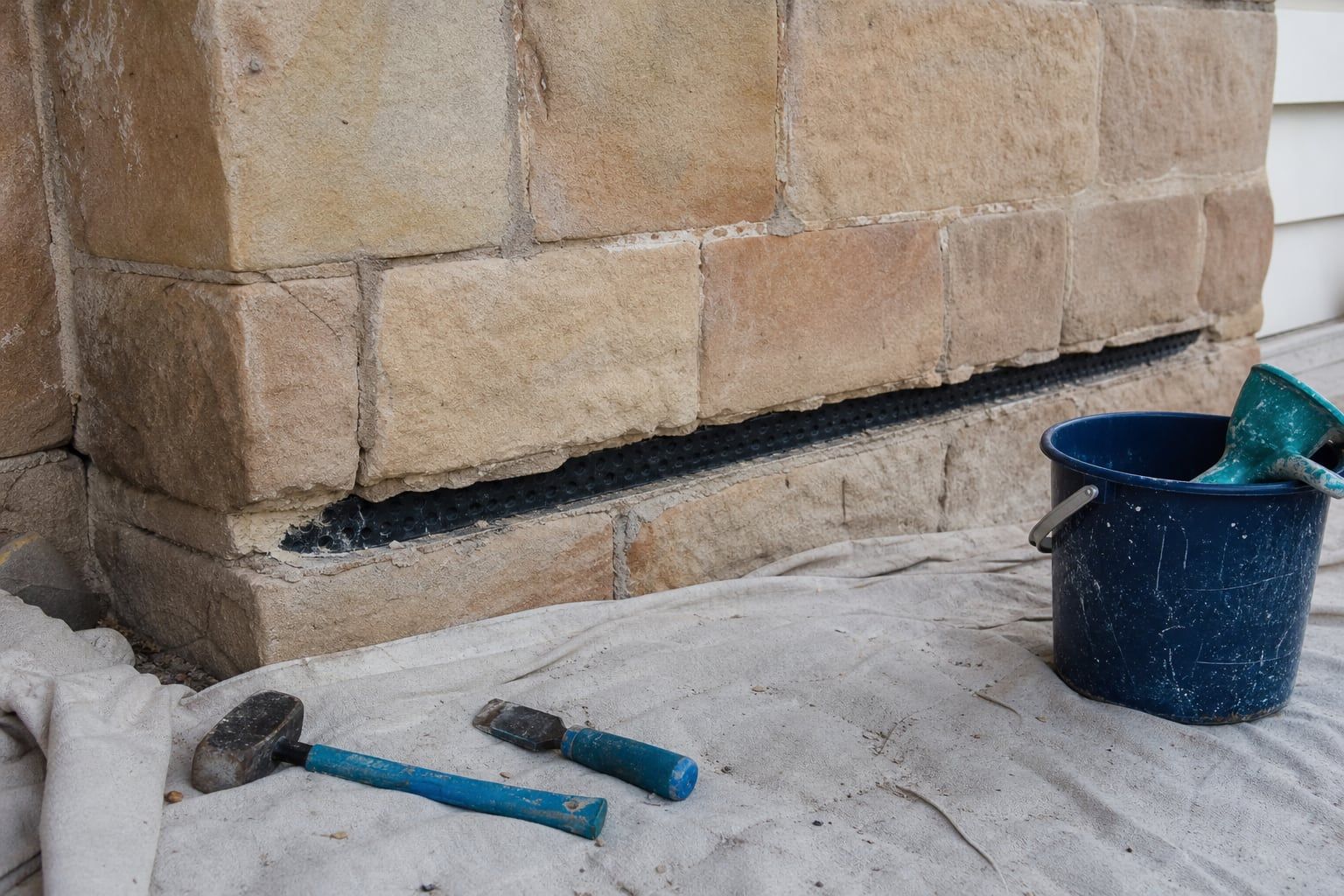
Rising damp is the likely cause when you see several of these together: damage concentrated along the base of ground-floor walls, fading out below about a metre, present all year round, with salt in the plaster and rotting skirtings. In that case the wall needs a new barrier, usually a chemical damp course in brick or a membrane in stone.
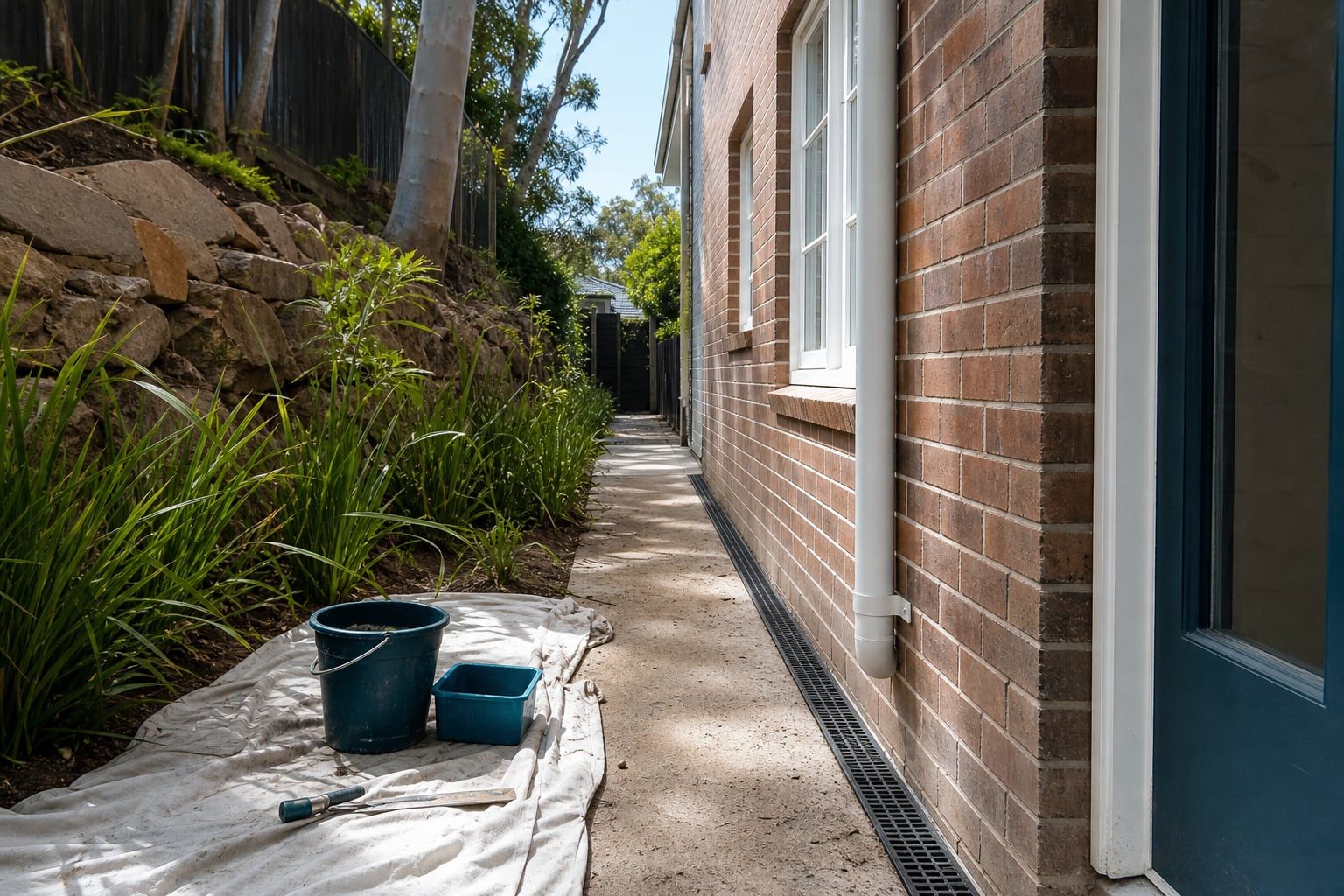
When the pattern doesn’t fit, the fix is different: drainage, tanking, airflow, gutter repairs or simply rinsing salt off exposed walls. That’s why we measure every wall before recommending anything. Our page on rising damp treatment explains how we test, and our overview of Northern Beaches rising damp covers how a job runs from start to finish.
Updated
What fixes these symptoms in the Northern Beaches
More on damp for Northern Beaches homeowners
- Damp in hillside homes: why sloping Northern Beaches blocks get wet wallsHow water moves through the slopes behind Northern Beaches houses, how to tell it from rising damp, and what actually keeps the lower walls dry.
- Salt air and damp walls: what the coast does to Northern Beaches masonryWhy walls close to the ocean can look and test damp without any rising damp, how to tell the two apart, and how to look after coastal masonry.
- Damp under beach cottages: subfloor moisture in coastal Northern Beaches homesWhy the crawl space under older beach cottages stays damp, what it does to floors and walls, and how to dry it out.
Questions about rising damp symptoms
Something else on your mind? Call and ask.
What's the clearest sign of rising damp?
A band of damp and salt damage along the base of ground-floor walls, wettest at skirting level and fading out below about a metre, present in dry weather as well as wet. Other causes rarely produce that exact pattern.
My walls are damp high up near the beach. Is that rising damp?
Probably not. Rising damp stays low. Damage high on ocean-facing walls is more often salt from the sea air, or a leak from gutters, flashings or windows.
Should I clean the mould and repaint?
Clean mould for health reasons, but hold off on repainting until the cause is fixed. Paint over a damp, salty wall fails again within months.